
Fernando
Balestra
course
enfant
(ages 5 to 8)
The “Junior Enfant” course is a preparatory programme designed to introduce children to the theatre. The first part of the course involves an introduction to the language of theatre through playful activities (expressive games that explore the use of the body, voice and space as tools for communicating ideas and emotions) and informal storytelling experiences (an introduction to reading, active listening to dramatised stories, and dramatised storytelling). In the second part, the children are encouraged and guided through the transition from informal storytelling based on their own real-life experiences to basic forms of formalised theatrical storytelling. The entire programme is tailored to the needs of each individual participant, whilst also indirectly addressing educational objectives such as self-esteem, overcoming shyness, self-control, coordination and teamwork.
| Day | Time | Activity |
| Monday | 17.00 – 19.00 |
|
Course
Junior A
Advanced workshop in theatre, movement, singing, acting training, diction and dramatic reading.
Age: (8 to 9 years)
Frequency: Twice a week
Venue: Former bunker classroom, Via Elorina 147/148
| Day | Time | Activity |
| Tuesday | 17.00 – 19.30 |
|
| Saturday | 4.00 pm – 6.00 pm |
|
Course
Junior B
Advanced workshop in theatre, movement, singing, acting training, diction and dramatic reading.
Age: 10–11 years
Frequency: Twice a week
Venue: Former bunker classroom, Via Elorina 147/148
| Day | Time | Activity |
| Tuesday | 17.00 – 19.30 |
|
| Saturday | 17.00 – 19.30 |
|
course
SPRING A
Workshop on theatre, movement, acting training, diction and reading aloud, and singing.
Age: 12–15 years
Frequency: Twice a week
Venue: Former bunker classroom, Via Elorina 147/148
| Day | Time | Activity |
| Wednesday | 17.30 – 20.30 |
|
| Friday | 17.30 – 20.30 |
|
course
SPRING B
Advanced workshop in theatre, movement, acting training, diction and reading aloud, and singing.
Age: 16–21 years*
Frequency: Twice a week
Venue: Former bunker classroom, Via Elorina 147/148
| Day | Time | Activity |
| Tuesday | 17.30 – 20.30 |
|
| Thursday | 17.30 – 20.30 |
|
* Admission to this group will be assessed by the tutors based on the student’s educational background.
course
SPRING C
Workshop on theatre, movement, acting training, diction and reading aloud, and singing.
Age: (13 to 21 years old)
Frequency: Twice a week
Venue: Former bunker classroom, Via Elorina 147/148
| Day | Time | Activity |
| Thursday | 17.30 – 20.30 |
|
| Saturday | 15.00 – 18.00 |
|
* Admission to this group will be assessed by the tutors based on the student’s educational background.
course
MASTERCLASS
Advanced workshop in theatre, movement, acting training, diction and reading aloud, and singing, with regular workshops, special projects and in-depth workshops.**
Venue: Former bunker classroom, Via Elorina 147/148
| Day | Time | Activity |
| Monday | 18.00 – 21.00 |
|
| Depending on the group you belong to |
|
|
| Depending on the group |
|
|
| To be confirmed | To be confirmed |
|
* Admission to this group will be assessed by the tutors on the basis of the student’s educational background.
**Enrolment on the masterclass course requires compulsory attendance at either the basic or advanced course.
Course
ADULTS
Workshop on theatre, voice, diction, reading aloud and stage movement.
Age: 22 to 99
Frequency: once a week
Venue: Former bunker classroom, Via Elorina 147/148
| Day | Time | Activity |
| Monday | 19.30 – 21.30 |
|
SCHOOL
The “Fernando Balestra” includes four sections: junior, spring, advanced spring and senior giving the opportunity to children and kids aged 6 and up and to adults, to take their first steps in the world of theater and discover an art that has always had the great ability to make people reflect on the world and on themselves.


teachers

Michele Dell’Utri
Head of Teaching


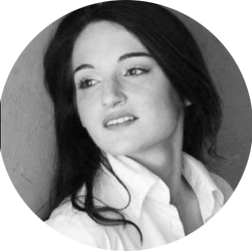
Giulia Valentini
Coordination and Acting Assistant

Elena Polic Greco
Ensemble acting / Voice training
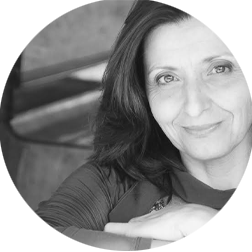
Simonetta Cartia
Acting
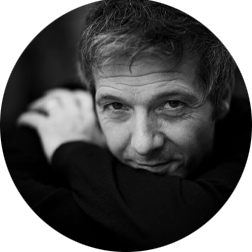
Attilio Ierna
Diction
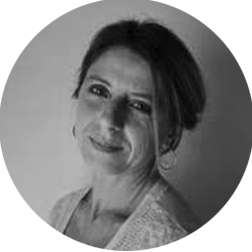
Serena Cartia
Physical expression and choreography
Michele Dell’UtriHead of Teaching
|
Giulia ValentiniCoordination and Acting Assistant
|
Elena Polic GrecoEnsemble acting / Voice training
|
Simonetta CartiaActing
|
|
Serena CartiaPhysical expression and choreography
|
Attilio IernaDiction
|